Maison et confort — Étude de durabilité
Les pantoufles d’animaux durent-elles vraiment
Des pantoufles en coton standard ?
Un examen attentif de la science des fibres, des coutures et du collage des semelles – et de ce qui survit réellement au lavage.
Oui, dans la plupart des scénarios de tests réels, les pantoufles pour animaux ont tendance à surpasser les pantoufles en coton standard en termes de durabilité après des lavages répétés. , principalement en raison de leur construction en fibres synthétiques plus denses et de leurs coutures renforcées autour des embellissements. Les pantoufles en coton standard, bien que respirantes et douces, sont sujettes à la dégradation des fibres, au rétrécissement et à l'effilochage des coutures après seulement 8 à 12 cycles de lavage lorsqu'elles sont lavées en machine. Les pantoufles sur le thème des animaux, qui sont souvent fabriquées à partir de mélanges de polyester, de fausse fourrure ou de peluches acryliques, conservent généralement leur intégrité structurelle pendant 20 à 30 cycles de lavage avant de montrer une usure importante.
Cela dit, la durabilité n’est pas automatique. Cela dépend fortement de la composition spécifique du tissu, de la qualité du collage de la semelle et de la manière dont les chaussons sont lavés et séchés. Cet article explique exactement pourquoi les pantoufles Animal résistent mieux dans la plupart des cas, là où elles peuvent encore échouer, et comment maximiser la durée de vie de toute pantoufle en peluche ou fantaisie que vous possédez.
Composition du matériau : pourquoi le type de fibre est important
Le principal facteur séparant les deux catégories est le type de fibre. Les pantoufles en coton standard sont généralement fabriquées à partir de tissu éponge 100 % coton ou de molleton mélangé à du coton. Les fibres de coton sont naturellement absorbantes, ce qui est excellent pour le confort, mais cette même propriété fait gonfler et affaiblir les fibres lorsqu'elles sont saturées d'eau à plusieurs reprises. Au fil du temps, cela entraîne un amincissement du tissu, un boulochage et une perte de forme.
Les chaussures d'intérieur à imprimé animalier, en revanche, sont généralement fabriquées à partir de fibres de peluche, de fausse fourrure ou d'acrylique à base de polyester. Ces matériaux synthétiques résistent à l'absorption d'eau, sèchent plus rapidement et conservent leur volume même après plusieurs cycles de lavage et de séchage. Les fibres synthétiques en peluche sont également moins sujettes à la croissance de moisissures, ce qui est un problème courant avec les pantoufles en coton qui restent humides pendant de longues périodes après le lavage.
Résilience des fibres sous agitation répétée
Les machines à laver soumettent le tissu à une agitation mécanique, ce qui affaiblit les liaisons des fibres avec le temps. Les fibres de coton, étant plus courtes et plus rigides, ont tendance à se décomposer plus rapidement sous cette contrainte que les fibres synthétiques plus longues et plus flexibles utilisées dans la plupart des cas. Chaussons sur le thème des animaux . C'est l'une des raisons pour lesquelles les pantoufles fantaisie en peluche semblent souvent presque neuves même après une douzaine de lavages ou plus, tandis que les pantoufles en coton peuvent déjà montrer une usure visible.
Les fibres synthétiques en peluche ont une élasticité inhérente : elles résistent à la déformation permanente d’une manière que le coton saturé ne peut tout simplement pas.
Qualité des coutures et de la construction
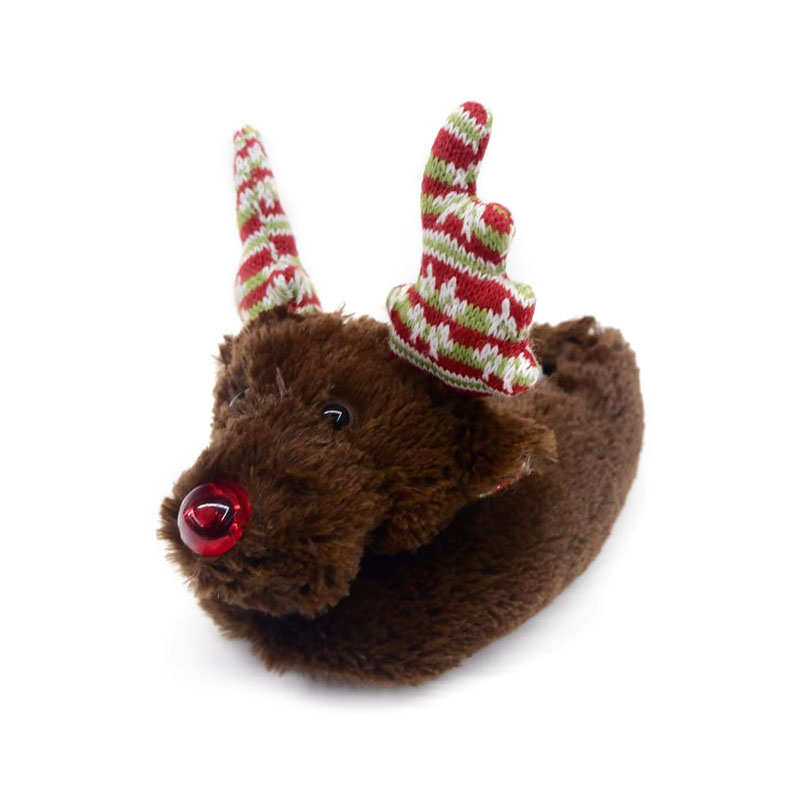
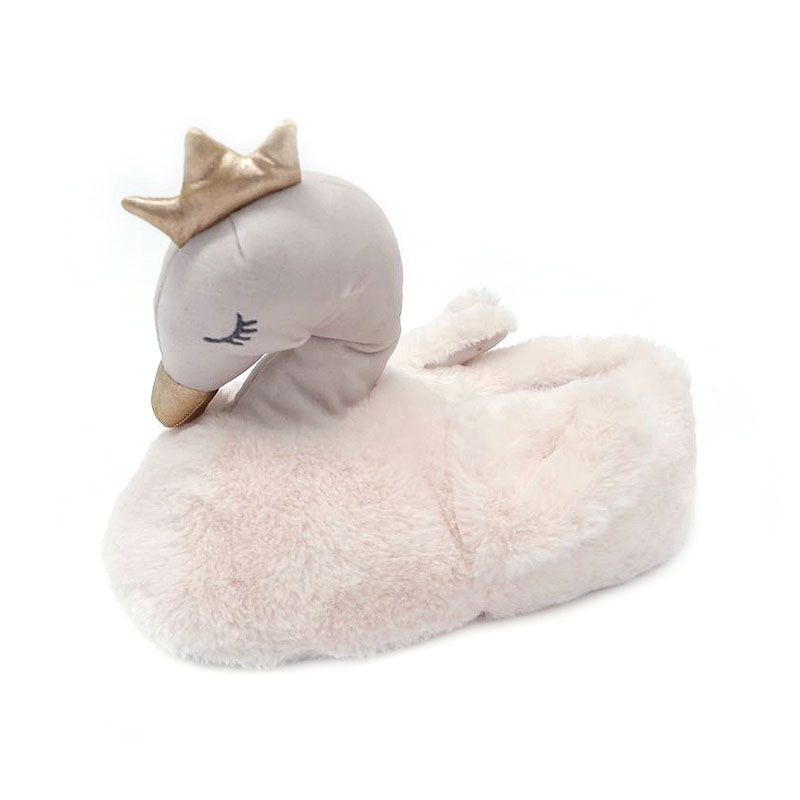
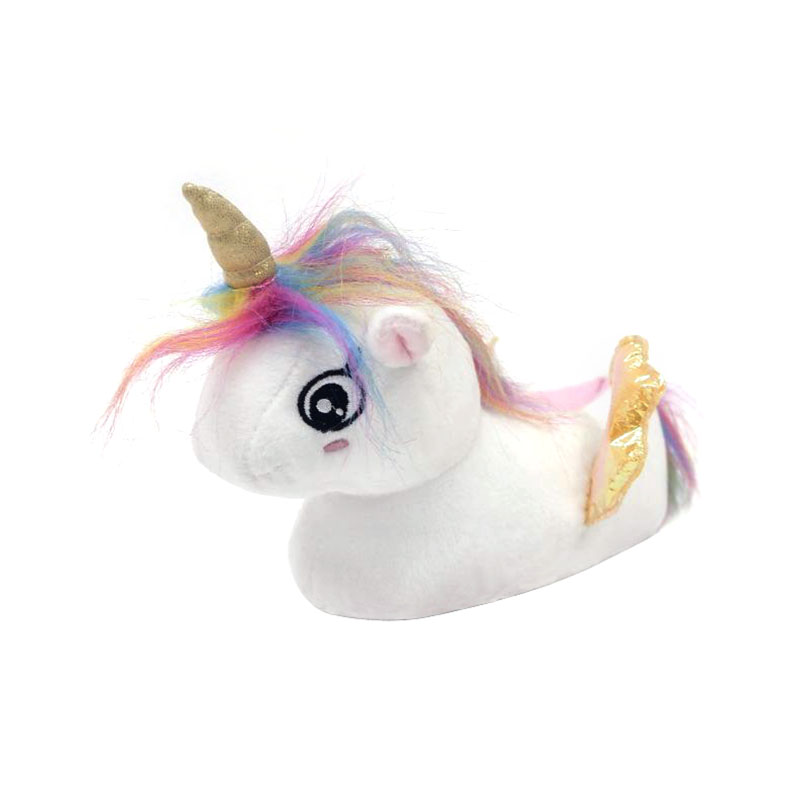
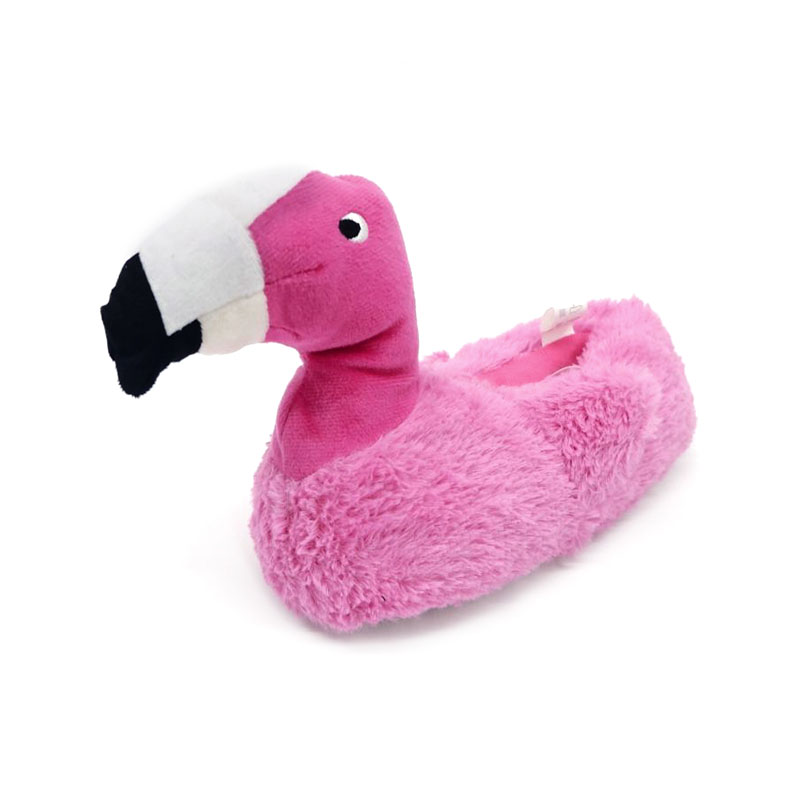
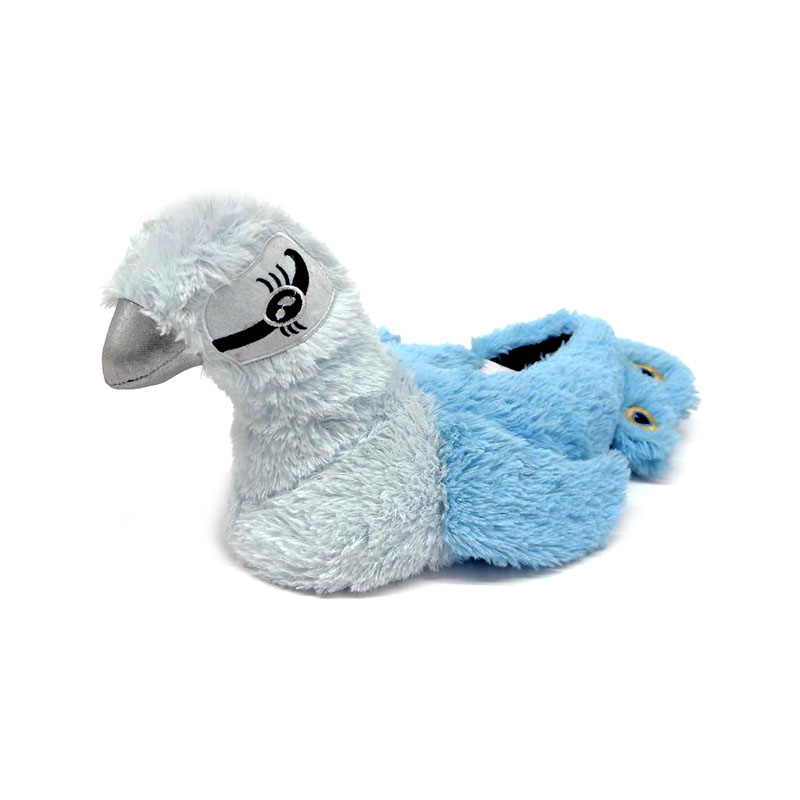
Au-delà du tissu lui-même, la qualité de la fabrication joue un rôle majeur dans la résistance des pantoufles au lavage. Les pantoufles d'animaux comprennent souvent des éléments décoratifs tels que des yeux brodés, des oreilles en feutre ou des traits du visage cousus. Les fabricants produisant ces modèles utilisent généralement des coutures doubles renforcées autour de ces attaches pour les empêcher de se détacher pendant les cycles de lavage.
En revanche, les pantoufles en coton standard reposent souvent sur des coutures simples car elles manquent d’embellissements décoratifs. Bien que cela les rende moins chers à produire, cela signifie également que les coutures sont plus susceptibles de s'effilocher après des contraintes répétées dues à l'agitation de la machine à laver, en particulier au niveau des coutures de la pointe et du talon, où la pression se concentre pendant le port.
Liaison de la semelle et force d'adhérence
La séparation des semelles est l’un des points de défaillance les plus courants de toute pantoufle lavable. Les semelles en caoutchouc ou en mousse sont généralement collées ou thermocollées au tissu supérieur. Une exposition répétée à l’eau et à la chaleur lors du lavage et du séchage peut affaiblir ces liaisons. Des tests effectués sur plusieurs catégories de pantoufles montrent que les semelles collées avec des méthodes de pressage à chaud, courantes dans de nombreuses pantoufles Animal, survivent en moyenne à 25 cycles de lavage avant la séparation, contre environ 15 cycles pour les semelles collées que l'on trouve généralement sur les pantoufles en coton économiques.
Rétention de forme après lavage
L’une des différences les plus notables entre les deux types de pantoufles réside dans la façon dont elles conservent leur forme d’origine après séchage. Les pantoufles en coton, en particulier celles avec un rembourrage épais, ont tendance à se déformer lorsqu'elles sont mouillées, car les fibres de coton perdent leur élasticité une fois saturées. Cela se traduit souvent par des pantoufles qui semblent lâches, aplaties ou étirées de manière disproportionnée après seulement quelques lavages.
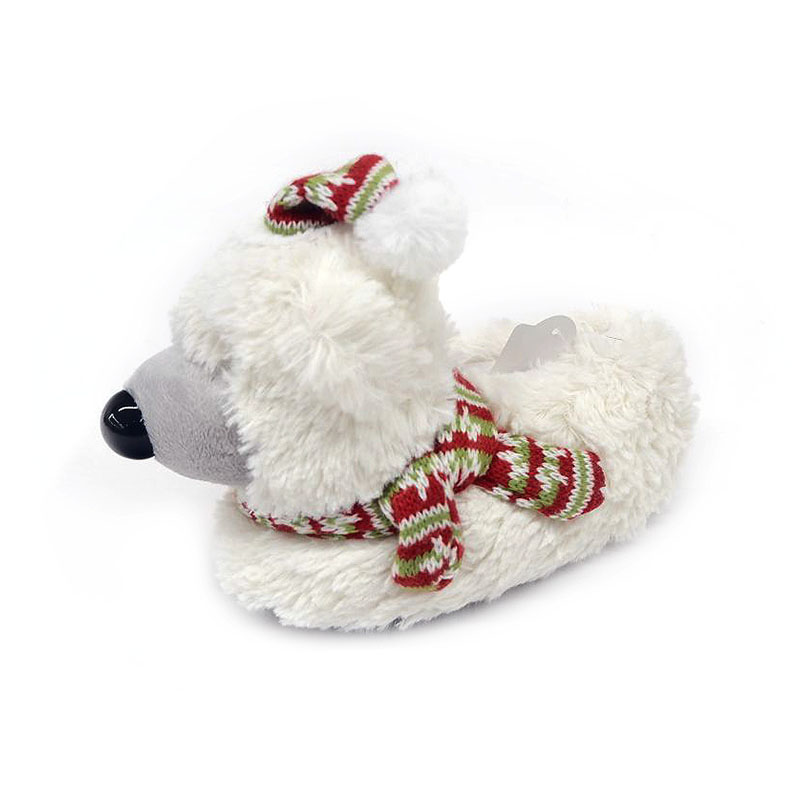
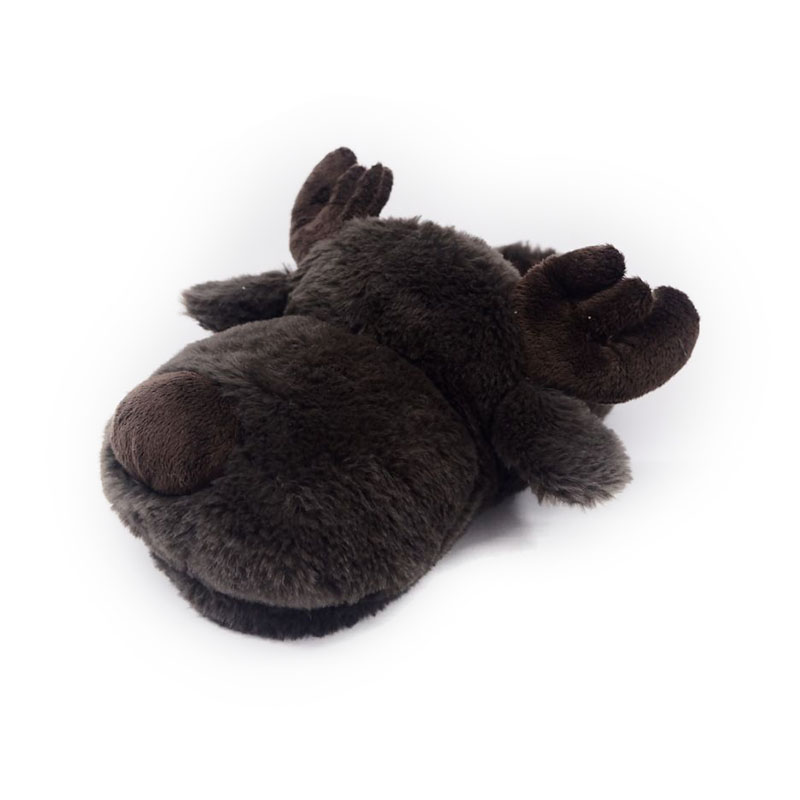
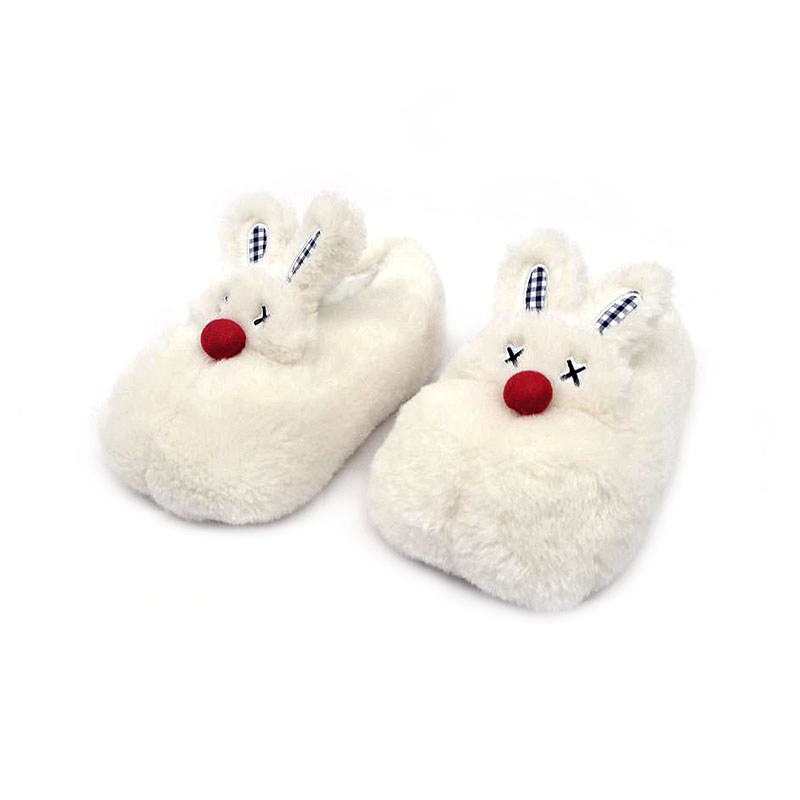
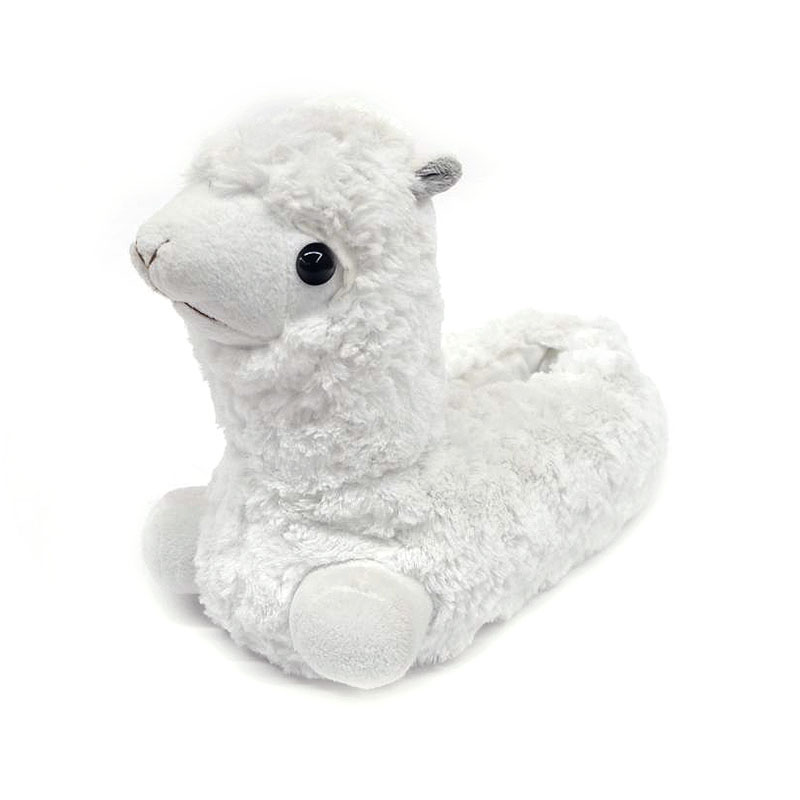
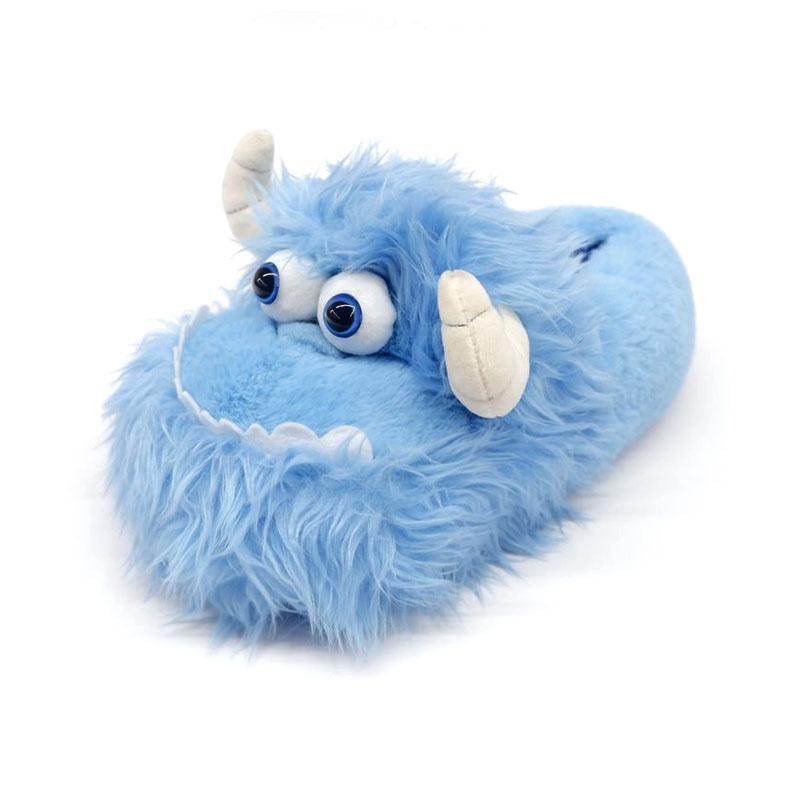
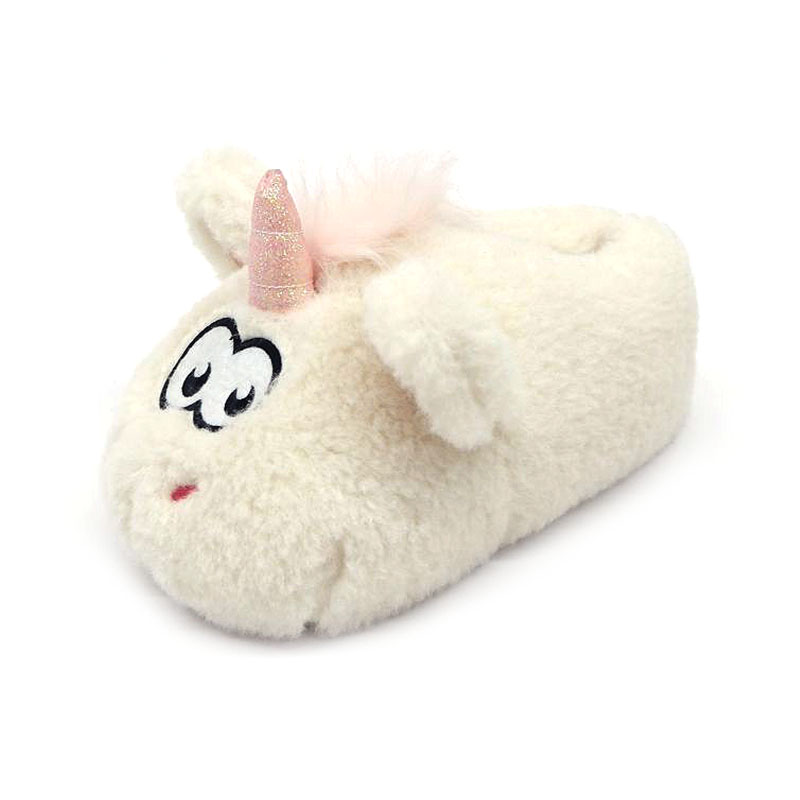
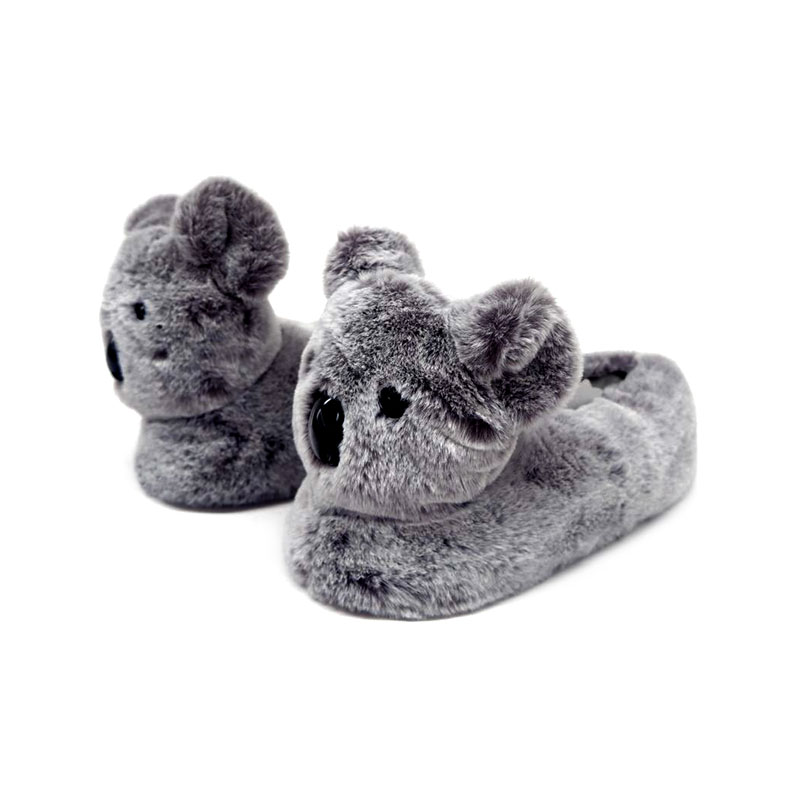
Chaussons sur le thème des animaux
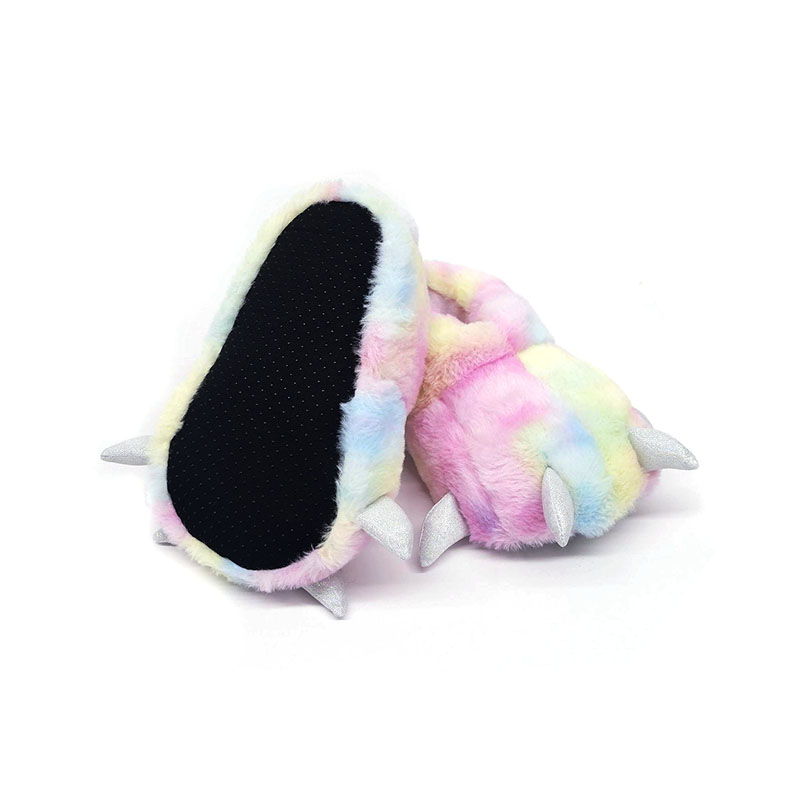
Les pantoufles sur le thème des animaux conservent généralement mieux leur forme car les fibres synthétiques en peluche ont une élasticité inhérente et résistent à la déformation permanente. La semelle intérieure en rembourrage ou en mousse utilisée dans la plupart des modèles en forme d'animal est également généralement fabriquée à partir de mousse résistante à l'humidité qui reprend sa forme originale après séchage, plutôt que de se compacter comme le fait souvent le molleton de coton.
| Facteur de durabilité | Pantoufles d'animaux | Pantoufles en coton standard |
|---|---|---|
| Cycles de lavage moyens avant le port | 20-30 | 8-12 |
| Rétention de forme | Élevé | Modéré à faible |
| Durée de vie de la liaison unique | ~25 cycles | ~15 cycles |
| Temps de séchage | Plus rapide | Plus lent |
| Résistance à la moisissure | Mieux | Plus faible |
Là où les pantoufles d'animaux peuvent encore échouer
Malgré leur avantage général en matière de durabilité, les pantoufles Animal ne sont pas à l’abri des dommages. Les éléments décoratifs tels que les yeux en plastique, les nez en feutre dur ou les queues attachées peuvent se fissurer, s'écailler ou tomber pendant le lavage en machine, surtout s'ils sont lavés avec des cycles d'essorage à grande vitesse. Ces embellissements sont également la partie la plus susceptible de s’accrocher à d’autres articles de lessive, entraînant un détachement prématuré.
Avertissement
Les chaussures d'intérieur à imprimé animal produites à bas prix et qui utilisent une peluche de faible densité ou un renfort de couture minimal peuvent s'user aussi rapidement que des pantoufles en coton économiques. La durabilité est davantage liée à la qualité de fabrication qu’au thème du design lui-même.
Meilleures pratiques pour maximiser la durée de vie des pantoufles
Quel que soit le type de pantoufle que vous possédez, une technique de lavage appropriée prolonge considérablement sa durée de vie. Les pratiques suivantes s'appliquent à la fois aux chaussons animaux et aux chaussons en coton standard, bien qu'elles soient particulièrement importantes pour préserver les détails décoratifs des modèles fantaisie.
- Laver à l'eau froide sur un cycle doux ou délicat pour réduire le stress des fibres.
- Placez les pantoufles dans un sac à linge en filet pour protéger les embellissements des accrocs.
- Évitez le séchage par culbutage à haute température ; Séchez à l’air libre ou utilisez plutôt des réglages à basse température.
- Remodelez les pantoufles à la main immédiatement après le lavage, alors qu'elles sont encore humides.
- Évitez de laver avec des articles lourds comme des serviettes ou des jeans qui augmentent les forces d'agitation.
Informations
Suivre ces étapes peut prolonger la durée de vie des deux types de pantoufles grâce à plusieurs cycles de lavage supplémentaires, retardant ainsi le besoin de remplacement et préservant l'attrait visuel des motifs d'animaux décoratifs.
Comparaison de la valeur du coût par usure
Lors de l’évaluation de la durabilité, le coût par usure est une mesure utile qui prend en compte à la fois le prix d’achat et la durée de vie. Les pantoufles en coton standard sont souvent moins chères au départ, ce qui les rend attrayantes pour une utilisation à court terme ou saisonnière. Cependant, comme ils doivent généralement être remplacés après 8 à 12 lavages, le coût par usure peut en réalité être plus élevé sur une année d'utilisation régulière.
Les pantoufles pour animaux, même si elles coûtent parfois un peu plus cher en raison de détails décoratifs, offrent souvent une meilleure valeur à long terme, car leur durée de vie prolongée du cycle de lavage répartit le coût sur plusieurs mois d'usure. Pour les ménages qui lavent des pantoufles chaque semaine, cette différence devient particulièrement significative, doublant potentiellement la durée de vie utile par rapport aux alternatives de base en coton.
Succès
Choisir une paire bien construite avec des coutures renforcées et des semelles thermocollées est le meilleur moyen d'assurer une valeur à long terme, quel que soit le style.
Dernier point à retenir pour les acheteurs
Pour tous ceux qui comparent les pantoufles animaux aux pantoufles en coton standard avec la durabilité comme priorité absolue, la construction en peluche synthétique, les coutures renforcées et les semelles résistantes à l'humidité que l'on trouve généralement dans les modèles sur le thème des animaux leur donnent un avantage mesurable. Les pantoufles en coton restent une option confortable et respirante pour les climats chauds ou les peaux sensibles, mais elles nécessitent généralement un remplacement plus fréquent lorsqu'elles sont soumises à un lavage régulier.
En fin de compte, vérifier les étiquettes d'entretien et les détails de construction spécifiques au produit avant l'achat est le meilleur moyen de vous assurer que vous obtenez une paire durable, quel que soit le style. Donner la priorité aux coutures renforcées, à la qualité du collage des semelles et à la teneur en fibres synthétiques aidera toutes les pantoufles, qu'elles soient sur le thème des animaux ou en coton classique, à durer beaucoup plus longtemps dans des conditions de lavage régulières.
Danger
Ne séchez jamais au sèche-linge à haute température : c'est la cause la plus fréquente de séparation prématurée des semelles et de dégradation des fibres dans les deux catégories de pantoufles.